
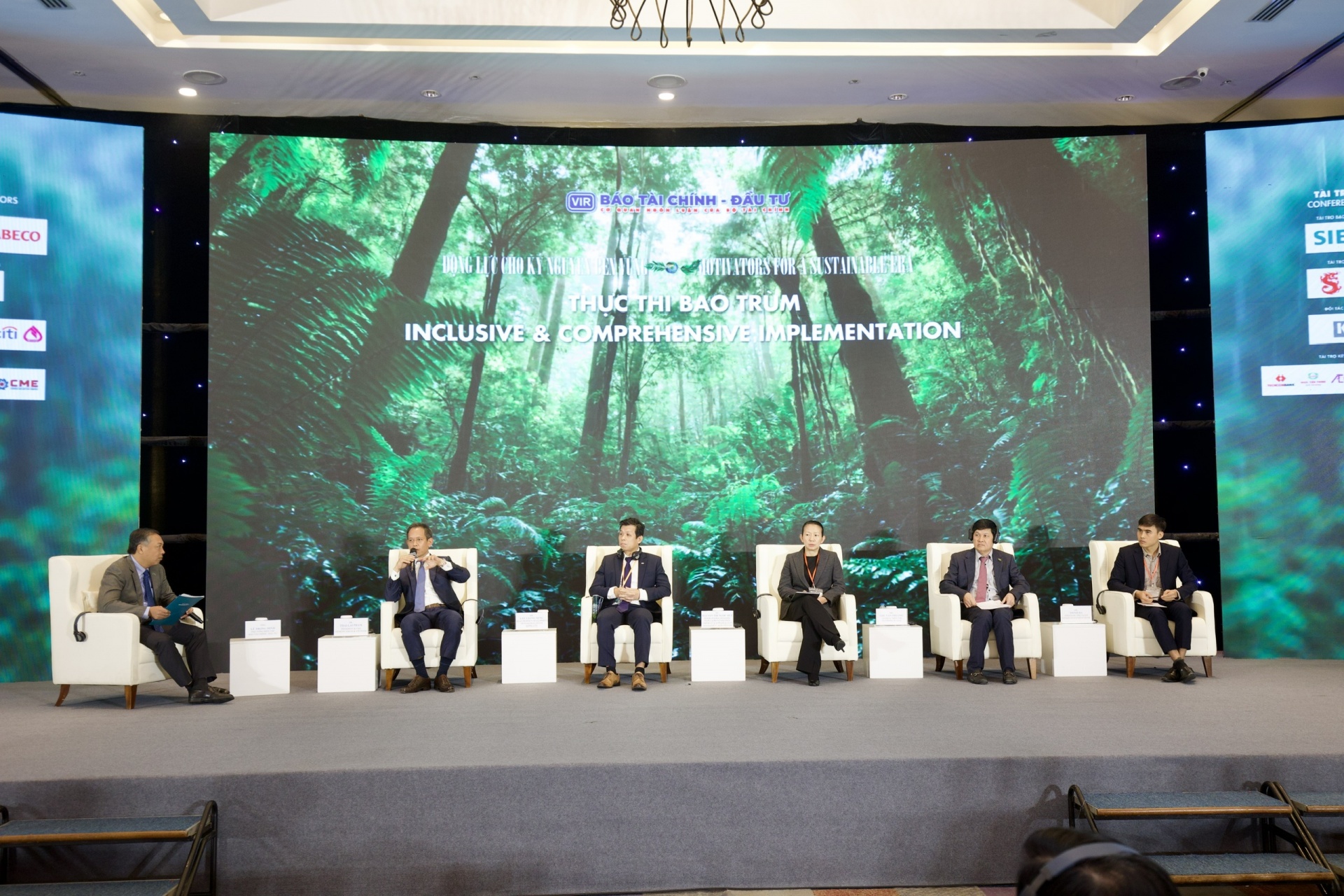
At the Sustainable Development 2025 Conference held on November 27 in Hanoi, participants took part in two key discussions, one on digital twin technology by Thai-Lai Pham, president and CEO of Siemens ASEAN and Vietnam, and another on green finance by Trinh Ha, a strategic specialist at Exness Investment Bank, who highlighted the opportunities and challenges ahead.
Digital twin – Backbone of efficient and sustainable infrastructure
Pham described digital twin technology as one of the most important foundational technologies of the modern era. “More than a static digital model, digital twin is a dynamic replica capable of interacting with real-world systems,” he said.
He illustrated the concept through a simple but powerful analogy. “A building is always constructed twice. First in the digital environment, where architecture, layouts, and even production processes are simulated to optimise design and reduce errors before a brick is laid. Then in physical form, built based on the optimised virtual model.
“The true value comes when the digital twin is continuously connected to live data from the building, allowing real-time monitoring, predictive maintenance, and precise energy management,” he said.
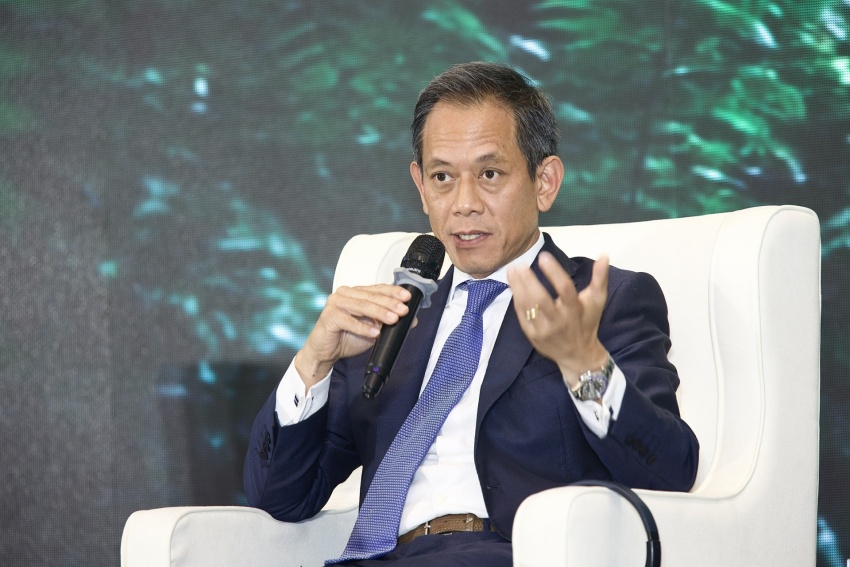
Regarding cost, Pham acknowledged that advanced technologies require upfront investment, but emphasised the importance of evaluating return on investment over a project’s 20-50 year lifecycle. Typically, investors recover their capital within one to four years, thanks to savings in energy, labour, and operational efficiency.
To support businesses, Siemens also offers funding solutions through Siemens Financial Services, including tailored financing for digitalisation and energy projects. He noted, “Siemens’ Singapore office is a real-world example, achieving substantial energy savings two decades after its initial upgrade using these models.”
Green finance unlocking global capital for renewable energy
In the session on green finance and international capital mobilisation, Trinh Ha from Exness Investment Bank highlighted how Vietnam’s renewable energy sector, especially wind and solar, is entering a favourable period to attract foreign investment.
He cited the case of construction company PC1 Group JSC, which secured capital from the Asian Development Bank (ADB) at an attractive 4-5 per cent interest rate with minimal arrangement fees. “As Vietnam prepares to accelerate offshore wind development, domestic financing capacity will be insufficient due to tight credit limits, making foreign capital a necessity,” he said.
Ha noted a strong global shift towards green finance, including green credit lines and green bonds. “International institutions are offering preferential loans for clean energy. In Vietnam, banks such as ACB have introduced green credit with interest rates 1-2 per cent lower than market levels,” he said.
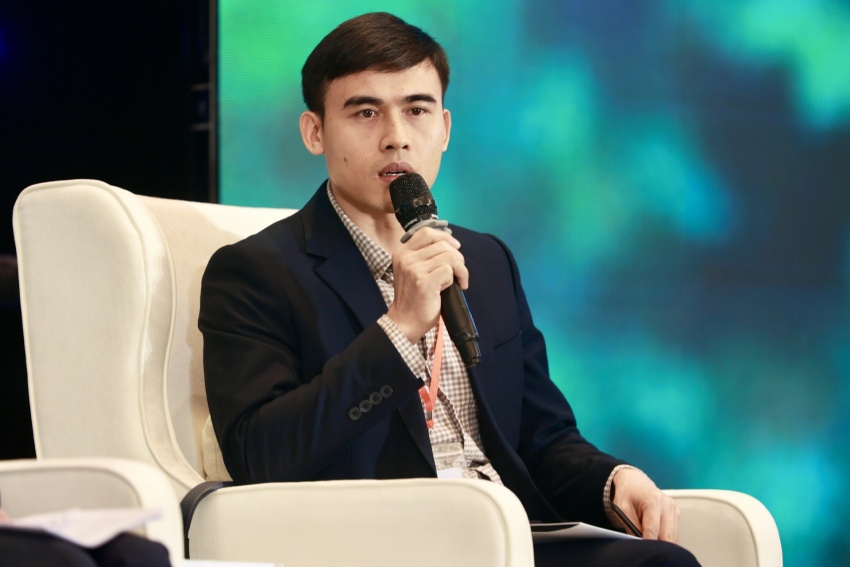
Major corporations including Vingroup (VinFast), PC1, and REE Corporation are already moving into green finance. Ha said that businesses can access international green capital through three primary channels: Direct borrowing from institutions such as ADB or the International Finance Corporation; issuing green bonds, aligned with global sustainability standards, and overseas listing, a more challenging path, but one that opens doors to large institutional investors, as seen in VinFast’s listing in the US.
“With supportive policies like the Power Development Plan VIII and emerging electricity pricing frameworks, renewable energy companies can significantly improve their internal rate of return by tapping into global low-cost green capital,” he said.
The combined insights from Siemens and Exness underscore a clear message that Vietnam’s journey towards sustainability will be shaped by technological innovation that enhances efficiency, and green financing that unlocks large-scale investment.
As Vietnam targets net-zero emissions by 2050, these two pillars, digital twin technology and global green capital, will increasingly define the competitiveness and long-term success of businesses in the clean-energy and infrastructure sectors.
Nguyen Huong