
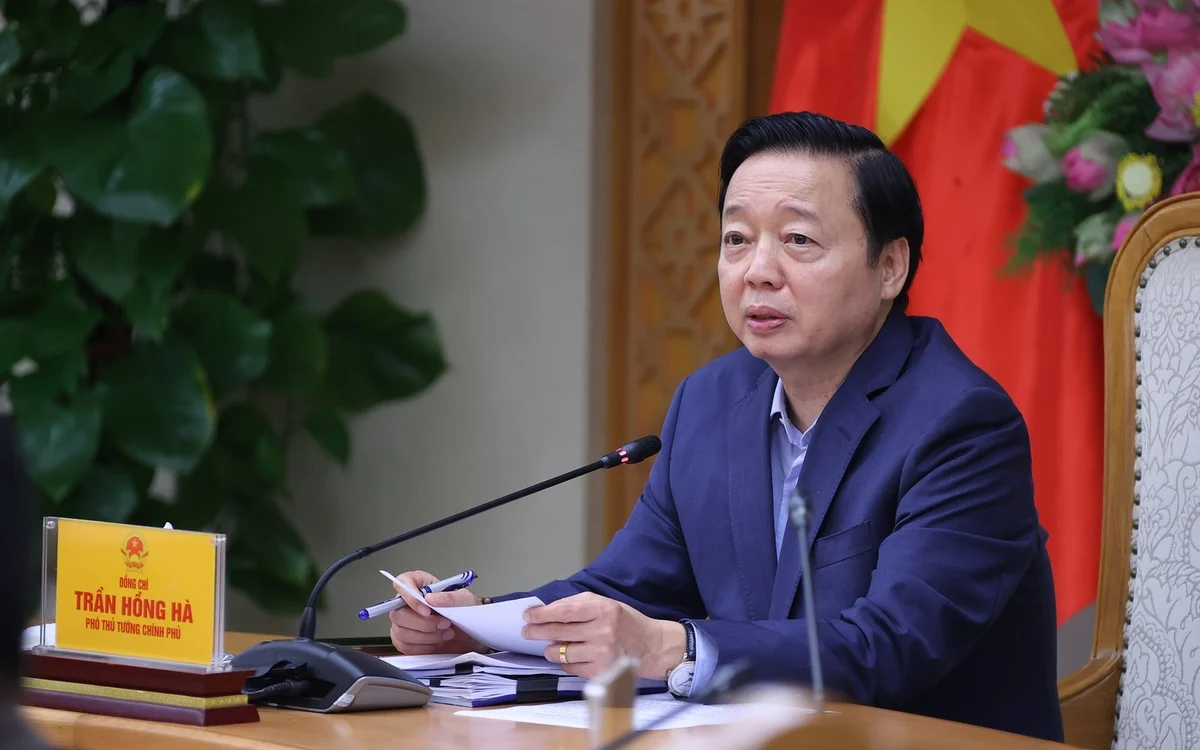
The Deputy Prime Minister emphasized that this is the first time Viet Nam has implemented the allocation of emission quotas. Although it is a pilot effort aimed at familiarizing stakeholders with emission control, the implementation must be carried out seriously, with clear legal regulations.
To reduce allocated quotas to encourage production
The Ministry of Agriculture and Environment used activity data from 2022 and 2023 provided by facilities, along with 2024 greenhouse gas inventory data submitted by facilities to provincial People’s Committees for appraisal, to pilot a proposal for emission quotas. Under the list of greenhouse gas emitting facilities required to conduct greenhouse gas inventories as stipulated in Decision No. 13/2024/QĐ-TTg dated August 13, 2024, of the Prime Minister, 110 facilities meet the conditions to be reported to the Prime Minister for consideration and approval to pilot quota allocation. Specifically, these include 34 thermal power plants, 25 iron and steel production facilities, and 51 cement production facilities.
Deputy Minister of Agriculture and Environment Le Cong Thanh said that the 2022 – 2024 period was heavily affected by the COVID-19 pandemic and the post-COVID phase, which disrupted production chains and caused production data at many facilities to fall to very low levels. If data from this period were rigidly applied to set future emission quotas, enterprises could lack sufficient room to produce and recover.
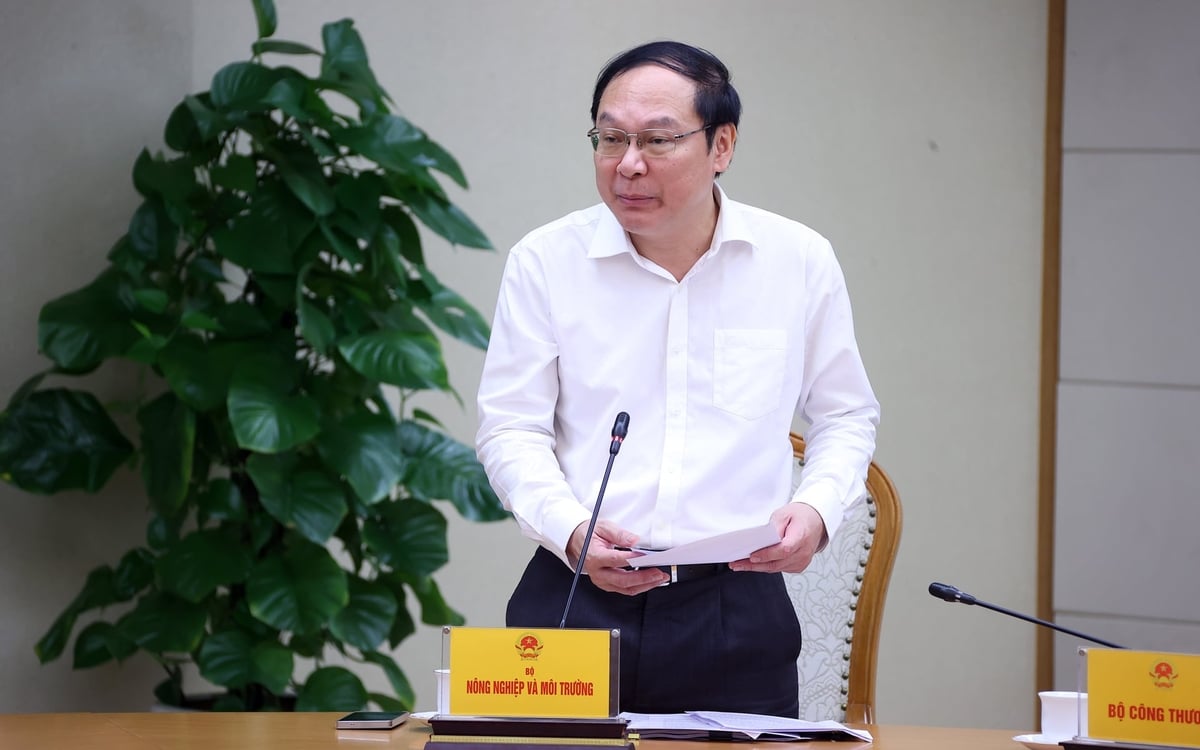
Therefore, the Ministry of Agriculture and Environment has worked with associations, corporations, and relevant ministries and sectors to develop a quota adjustment coefficient. This coefficient is based on three factors: growth targets, emission reduction targets, and the technological capacity of facilities.
Accordingly, the Ministry of Agriculture and Environment proposes that the total quotas allocated to thermal power plants be 1.6 – 2% lower than the total projected emissions of these plants in the 2025 – 2026 period.
The total quotas allocated to iron and steel production facilities (crude steel) would be 3.8 – 4.4% lower than their total projected emissions in 2025 – 2026.
The total quotas allocated to cement production facilities (clinker) would be 4 – 4.5% lower than their total projected emissions in 2025 – 2026.
Mechanisms for measuring and verifying emission data
Deputy Minister of Industry and Trade Nguyen Sinh Nhat Tan recommended reviewing and assessing methods for determining and allocating emission quotas, taking into account actual production conditions and differences in technology, equipment, and raw materials among facilities. At the same time, there is a need for independent measurement and verification mechanisms to ensure the accuracy and integrity of emission data, as line ministries can only appraise processes and are not able to verify the exact figures reported by enterprises themselves.
Representatives of energy, coal and mineral, cement, and construction material groups noted that the implementation of emission quota allocation must strike a balance between emission reduction objectives and the need to maintain growth momentum.
Businesses have proposed shifting the method of allocating emission quotas from an absolute cap approach to emission intensity benchmarks per unit of product, in order to avoid constraining enterprises that are expanding production and to encourage investment in clean technologies. In addition, enterprises expressed their desire for a flexible internal quota coordination mechanism, while also calling for the early operation of a transparent carbon credit market.
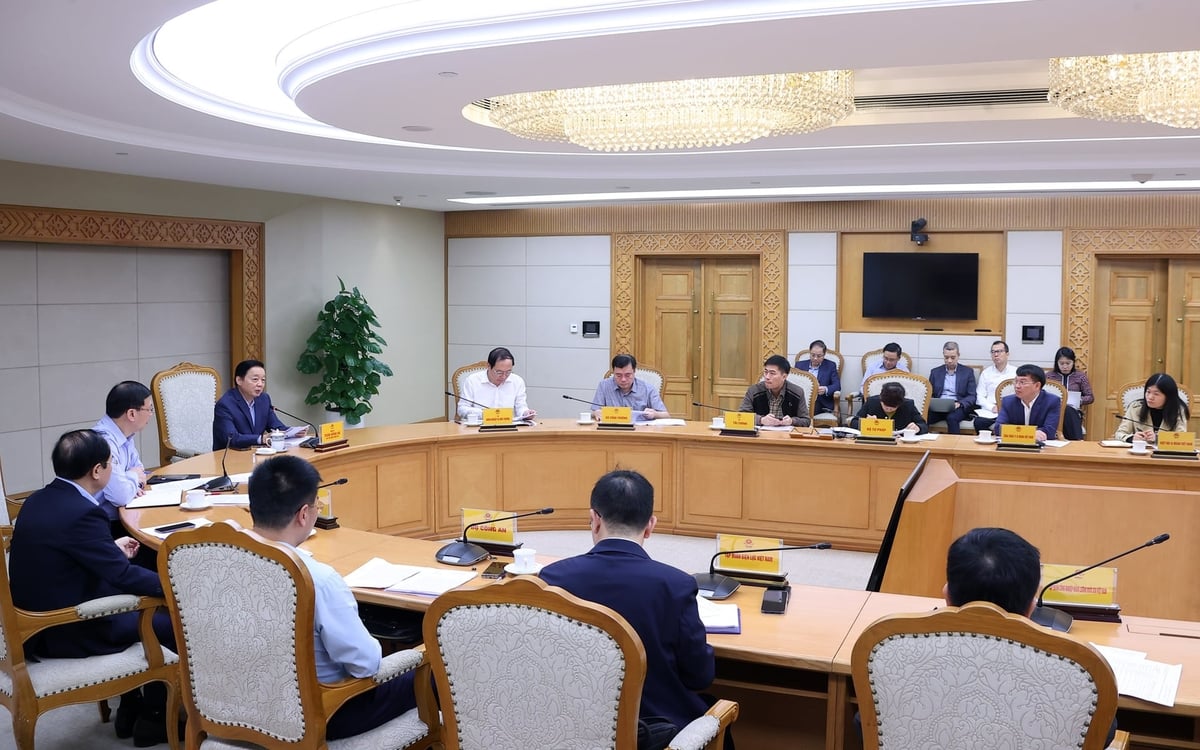
Mr. Dinh Quoc Thai, Secretary General of the Vietnam Steel Association, emphasized that the most important priority is to complete a transparent measurement and verification toolkit in line with international standards before applying the system on a large scale.
Deputy Head of the Government Office Pham Manh Cuong stressed that the key issue lies in selecting an appropriate calculation method that is consistent between the pilot phase and the official implementation phase. At the same time, it is necessary to soon complete the legal framework, particularly sanction mechanisms and inventory regulations, to ensure consistency among quota data, NDC reports, and the carbon credit market scheme.
MAE presents an acting role in allocation methods
Concluding the meeting, Deputy Prime Minister Tran Hong Ha requested that during the pilot phase, emission quotas be calculated in detail for each sector (cement, steel, power generation, etc.), and that the scale of enterprises included in the pilot be clearly defined, in order to draw lessons and prepare for future implementation covering 100% of emission sources.
The pilot is not merely about determining quota figures, but rather a comprehensive process to synchronously methodologies for measurement, accounting, statistics, reporting, verification, as well as legal and technical aspects. These methodologies must be based on solid scientific foundations and aligned with international standards (such as UNFCCC) to ensure that the data are internationally recognized. This is closely linked to Viet Nam’s responsibilities and commitments under its NDC.
Regarding authority, the Deputy Prime Minister agreed on authorizing the Minister of Agriculture and Environment to decide on the total quotas for pilot sectors, and to take responsibility for coordinating with relevant ministries, sectors, and associations to allocate quotas to each sector and select enterprises participating in the pilot.
The Deputy Prime Minister required that quota allocation ensure scientific rigor, objectivity, transparency, and fairness. The Ministry of Agriculture and Environment will serve as the “referee” on methods and procedures for determining quotas and monitoring implementation. Enterprises participating in the pilot must carry out their own calculations, hire experts for assessment, and engage independent units to measure and certify reported data.
As for the implementation roadmap, the Deputy Prime Minister directed that the period from now until 2027 will focus on piloting to comprehensively refine mechanisms and policies. From 2028 onward, the management of emission quotas will be officially and mandatorily implemented nationwide across all sectors and enterprises.
The Ministry of Agriculture and Environment is required to publicly announce this roadmap immediately so that enterprises are informed and can proactively prepare, avoiding a passive stance when official implementation begins. The Ministry must also review and supplement legal provisions on the rights, responsibilities, and obligations of relevant stakeholders (state management agencies, measurement and certification bodies, and enterprises).
“Only when a market for trading credits and quotas is established, with clear buying and selling mechanisms, will enterprises truly have the motivation to participate,” the Deputy Prime Minister emphasized.
Khanh Ly – Translated by Kieu Chi