

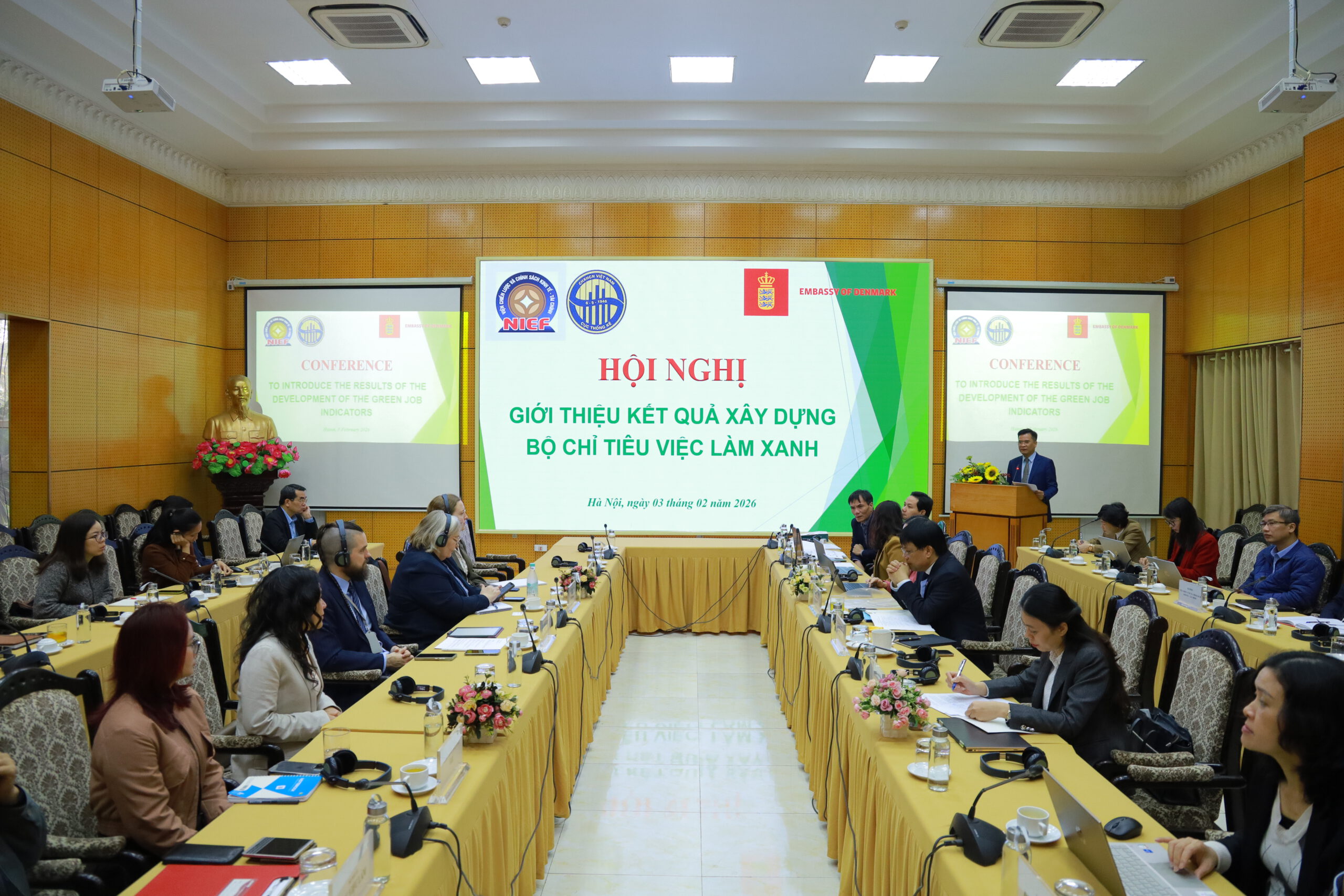
Vietnam has finalised a study on development of a nationally adapted set of Green Job Indicators, marking an important advance toward institutionalising the green job indicators for official statistics, strengthening the country’s statistical system to support green growth and sustainable development.
Internationally, only a limited number of countries have developed green job indicators that are tailored to national circumstances and embedded within official statistical systems. With this achievement, Vietnam joins a small group of countries studying a systematic, evidence-based approach to understanding how the green transition is reshaping jobs, skills, and livelihoods across the economy.
For people and their livelihood, high-quality statistics on green jobs make the green transition tangible and fair. By showing where jobs are being created, which skills are in demand, and who may be affected by economic shifts, better data helps policymakers design targeted training programmes, support labourers through structural change and ensure that the move to a greener economy delivers decent, inclusive employment opportunities.
These indicators were developed under the leadership of the National Institute for Economics and Finance (NIEF), in close collaboration with the National Statistics Office (NSO), and with financial support from Denmark. The results were officially presented at a recent workshop in Hanoi.
A Green Transition Needs Data
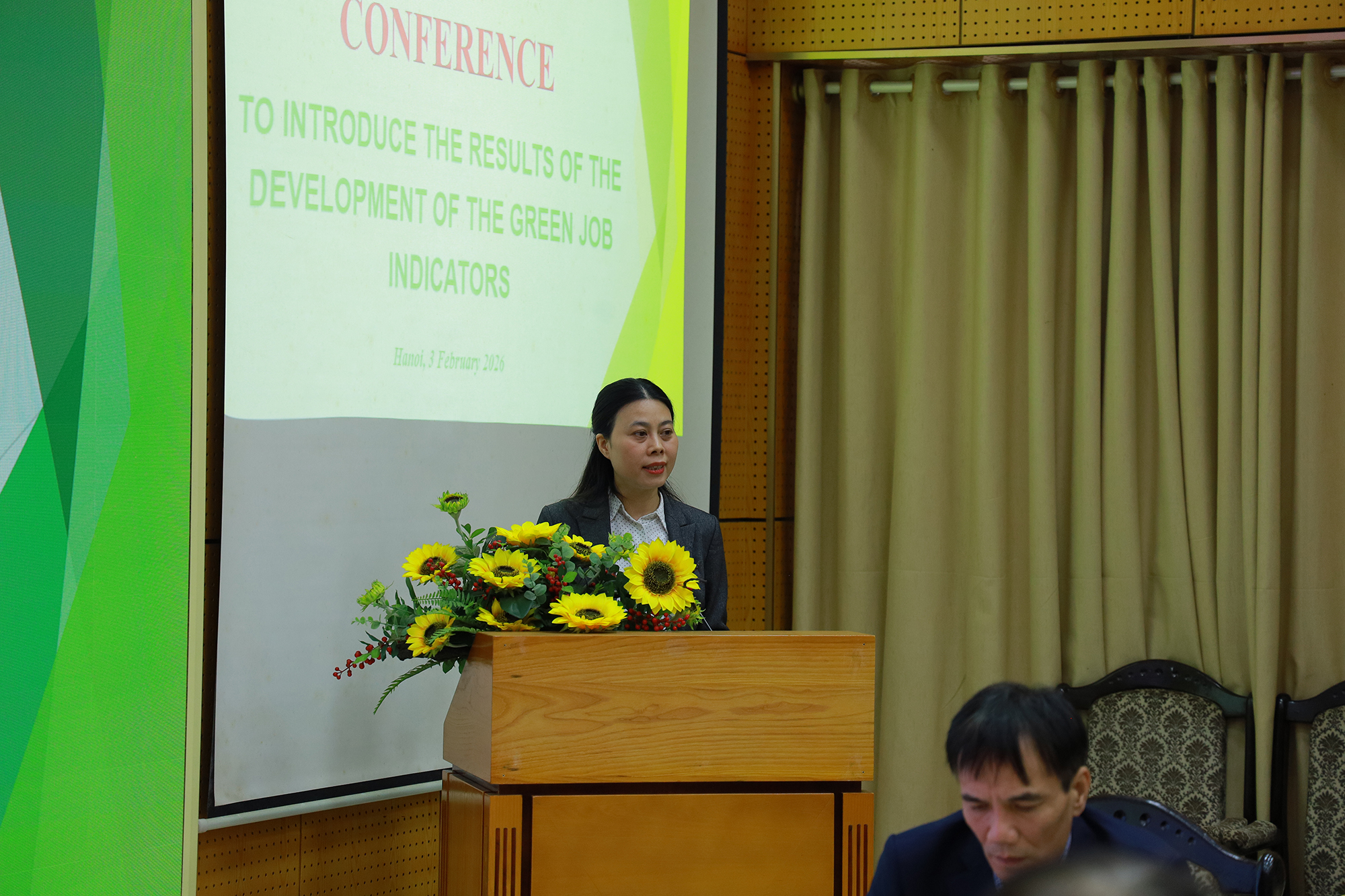
Speaking at the workshop, Ms Do Thi Ngoc, Deputy Director General of the National Statistics Office, emphasised the central role of statistics in supporting policy decisions:
“To support Vietnam’s green growth strategy and international climate commitments, the statistical system must provide timely, comprehensive, and reliable data for policy formulation, monitoring, and evaluation.”
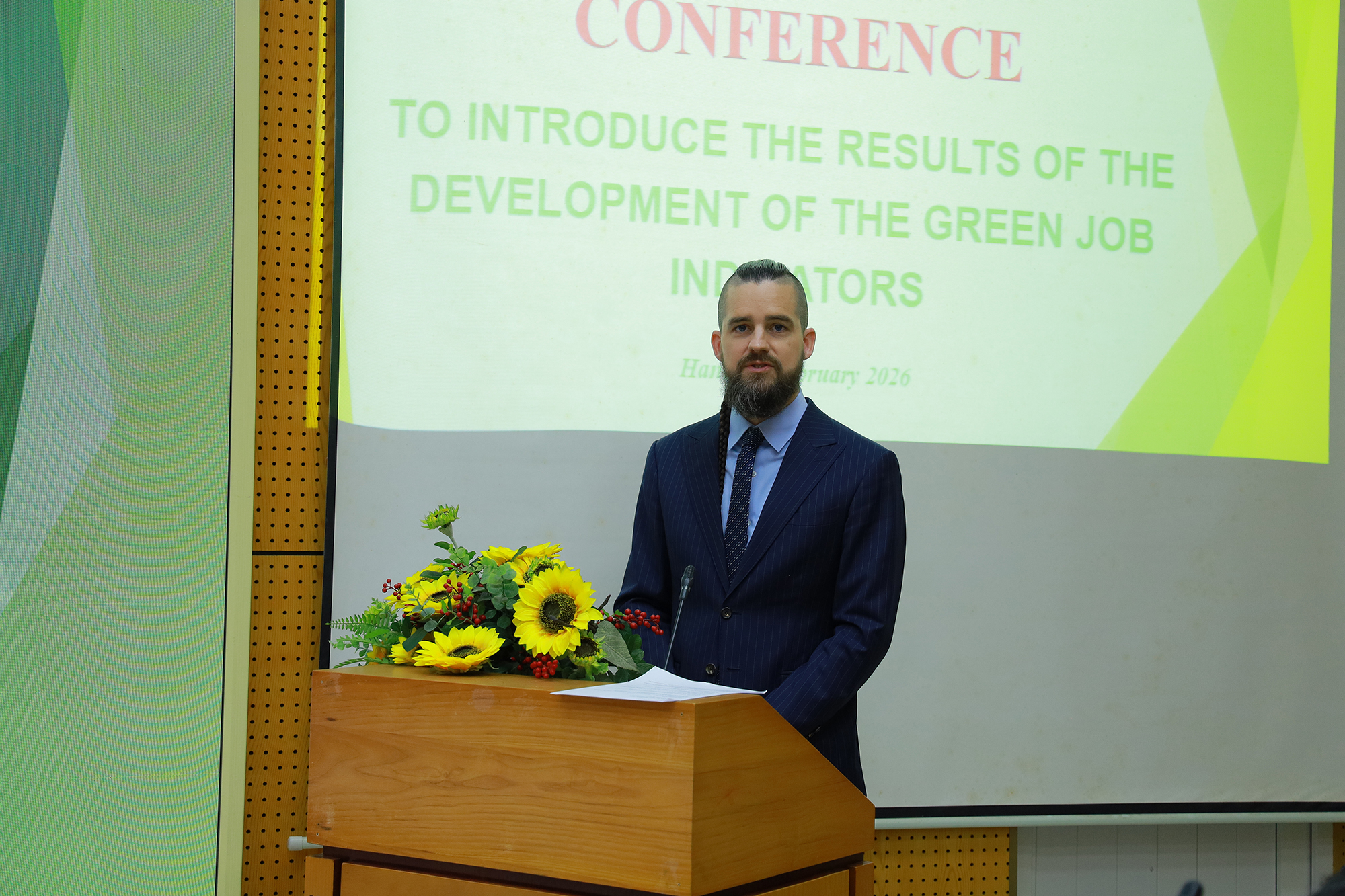
From the Danish side, Mr Jesper Blaabjerg Holm, Sector Counsellor for Statistics at the Embassy of Denmark in Hanoi, highlighted the importance of strong and reliable national data systems in delivering Vietnam’s green ambitions.
“Vietnam has made bold commitments to green growth and to achieving net-zero emissions by 2050. These goals are ambitious, and rightly so. But ambition alone is not enough. We also need data: reliable, timely, and integrated data that connects the environment, the economy, energy, and labour markets.”
Measuring Green Jobs in Practice
The development of the Green Job Indicators reflects Vietnam’s efforts to translate global concepts into practical tools suited to national conditions. Led by the National Institute for Economics and Finance and implemented in close cooperation with National Statistics Office, the work clarified key definitions, scope, and measurement approaches, while ensuring alignment with international statistical standards.
Mr Nguyen Nhu Quynh, Director General of the National Institute for Economics and Finance noted that the indicators provide a stronger foundation for analysing labour market changes linked to the green transition:
“The results of this project provide an important evidence base for policymaking on labour, employment, and green growth in the coming period.”
Beyond conceptual development, the two institutions jointly tested the indicators through a pilot survey. The pilot demonstrated that the indicators are methodologically robust, reflect Vietnam’s economic realities, and can be integrated into the national statistical system with further refinement.
Initial findings from the pilot in Quang Ninh and Phu Tho also suggest that green jobs are expanding beyond traditionally “green” sectors, pointing to a broader transformation of the labour market as the green transition progresses.
From Development to Institutionalisation
Ms. Ngoc, Deputy Director General of the National Statistics Office, expressed confidence that, with further development, these indicators could be used to measure green jobs within official national statistics. Such data would empower policymakers to design more effective labour and human resource strategies tailored for green growth and sustainable development.
She, however, also noted that continued efforts will be required to move from the pilot development of green job indicators to full institutionalisation because measuring green jobs is a complex and evolving area, calling for ongoing methodological improvements, stronger data sharing, and sustained coordination across institutions.
The Green Job Indicators project forms part of broader cooperation between Vietnam and Denmark on strengthening statistics and green data. This includes the Strategic Sector Cooperation (SSC) on Statistics between the National Statistics Office and Statistics Denmark, which supports digitalisation, business statistics, communication, and statistics for the green transition. Denmark also supports work to identify and address key green data gaps relevant to Vietnam’s development priorities.
As emphasized by Mr Holm, Sector Counsellor for Statistics at the Embassy of Denmark in Hanoi, “Together, these efforts reflect Denmark’s belief that data is a strategic asset, for governments, for green policymaking, and for public trust.”
BACKGROUND INFORMATION
The Danish Embassy in Vietnam
Since the establishment of diplomatic relations in 1971, Vietnam and Denmark have enjoyed a strong and close cooperation.
On November 1st 2023, the two Prime Ministers jointly declared the establishment of a Green Strategic Partnership (GSP) between Vietnam and Denmark.
The signing of the GSP has marked a milestone in the two countries’ cooperative relations, and established a solid framework for supporting Vietnam to develop a climate-resilient and low-carbon economy and promote the development of the circular economy.
The GSP builds on and consolidates the existing cooperation in Climate, Environment and Energy, Food and Agriculture, Trade and Business Collaboration, Health and Life Science, Statistics, and other initiatives of mutual interests.
For further information about the Danish-Vietnamese relationship and the Embassy of Denmark in Vietnam please visit: www.vietnam.um.dk, https://www.facebook.com/dkvietnam, and https://www.instagram.com/denmarkinvietnam/
Strategic Sector Cooperation in Statistics (SSC) between Vietnam and Denmark
The SSC project on Statistics 2025-2027 is the continuation of the initial effort of collaboration between Statistics Denmark, National Statistics Office of Vietnam and Embassy of Denmark in Vietnam in 2024-2026, focusing on improving communication and dissemination of statistics, use of administrative data in business, trade and service statistics, enhancing the IT system for statistics and development of economic and environmental accounts.
Kim Quy