
Growing visitor numbers are creating opportunities for tourism development on Phú Quý Island, but also highlighting the need to preserve its natural landscape and improve service quality to ensure the island retains its distinctive charm.
Located about 56 nautical miles from the mainland of the former Bình Thuận Province, now part of Lâm Đồng Province, Phú Quý Island Special Zone has become more accessible thanks to high-speed ferry services that have cut the journey from Phan Thiết to around two hours and 15 minutes.
Improved transport links have made it easier for residents and visitors to plan trips to the island, particularly during public holidays and the summer season. This is one of the factors contributing to the island’s growing popularity.
During the National Day holiday on September 2, Nguyễn Thị Phương Viên, a resident of Hàm Thuận Commune, visited Phú Quý with her two children. She said the trip left a strong impression on them, thanks to the beautiful seascapes, delicious food and friendliness of local residents.
There were still many scenic spots they had not had the chance to explore, she said, adding that she hoped to return the following summer to discover more of the island.
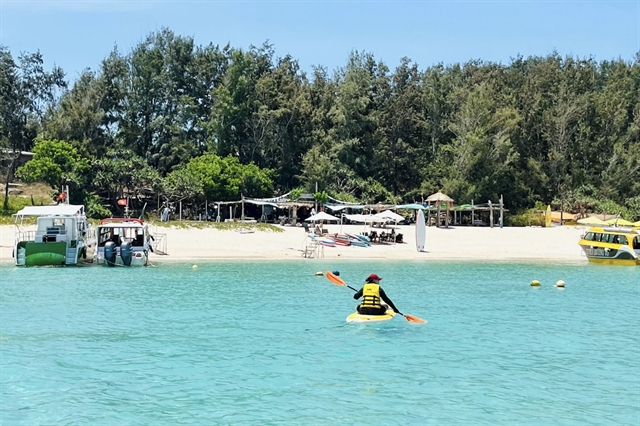
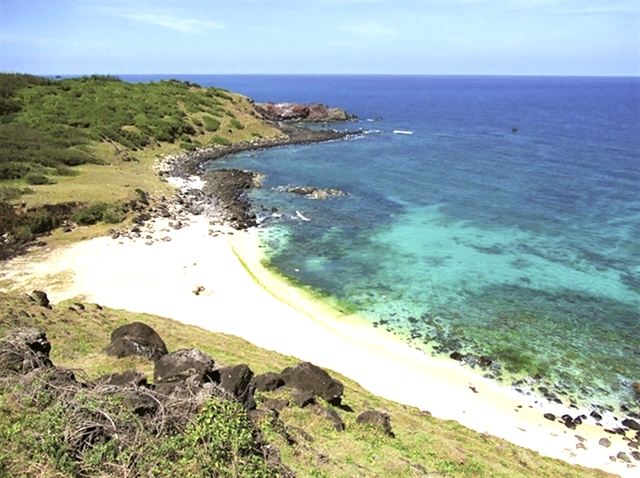
Viên’s experience reflects Phú Quý’s appeal to visitors. After travelling by sea from Phan Thiết, tourists can explore coastal roads, natural rock formations, clear waters and the daily lives of island residents.
For many, the trip is not simply a holiday but also an opportunity to enjoy fresh seafood, watch the sunrise over the sea or find peaceful corners amid the vast expanse of the ocean.
Sightseeing around the island, speedboat trips to Hòn Tranh, coral-reef snorkelling and stand-up paddleboarding have added variety to the visitor experience. Each destination offers something distinctive, from natural scenery to activities connected with local fishing communities.
These advantages provide a foundation for Phú Quý to develop diverse tourism products, encourage longer stays and attract repeat visitors.
Tourism takes off
Rising visitor numbers have also supported the growth of accommodation establishments, restaurants and experience-based services. Phú Quý now has 261 accommodation establishments offering more than 2,100 rooms, ranging from hotels and guesthouses to homestays, catering to different visitor needs.
However, the island’s growing popularity also highlights the need to improve service quality. A successful destination depends not only on beautiful scenery but also on convenient transport, clear tourism information, transparent pricing and friendly service.
During inspections, local authorities found that some businesses at tourist sites had not displayed their prices. The establishments addressed the issue following reminders.
Although seemingly minor, such matters directly affect the visitor experience. As tourist numbers increase, maintaining the island’s reputation requires responsible tourism practices from businesses and residents alike.
At a conference held in October, the People’s Committee of Phú Quý Special Zone approved a green tourism development project for 2026–30, with a vision to 2045.
The project aims to develop tourism into a sustainable economic sector, minimising negative impacts on the environment, preserving cultural heritage and improving the living standards and well-being of local residents.
Key tasks include developing environmentally friendly products, utilising clean energy, achieving net-zero emissions and raising awareness among local residents and tourists.
The plan also targets the elimination of single-use plastic products and non-biodegradable plastic bags at all coastal tourist areas, attractions, accommodation establishments and other tourism service businesses.
Protecting natural assets
Phú Quý has significant natural advantages, but long-term tourism development still requires improvements in planning, infrastructure and service management. Detailed plans for some tourism areas remain unfinished, while sightseeing routes using speedboats, mooring points and designated marine activity areas need clearer arrangements to ensure safety..
Alongside infrastructure improvements, Phú Quý should offer more experiences connected with local life. Visitors can learn about fishing, sample seafood and explore local culture and everyday activities. Such experiences would enrich their trips while creating more opportunities for residents to participate in tourism.
Environmental protection is another priority. The natural landscape, clear waters and coastal ecosystems are among the key assets underpinning Phú Quý’s appeal.
If the environment is damaged by waste or poorly managed tourism activities, the island risks gradually losing these advantages.
From reducing plastic waste and keeping beaches clean to complying with regulations governing marine activities, every effort can help protect the island’s natural environment.
Local authorities are steering tourism towards a greener and more sustainable model, linking the use of marine and island resources with environmental protection and the preservation of local cultural values.
A green tourism development scheme for the 2026–30 period, with a vision to 2045, is being finalised for submission to the competent authorities for approval.
Going green
Phú Quý also aims to diversify tourism products, make greater use of technology to provide information and improve workforce quality.
Professional training has been introduced to help tourism workers improve their service skills. Alongside the island’s scenery, attentive, professional and friendly service will help create positive impressions among visitors.
Providing comprehensive information about attractions, services and transport options will also enable tourists to plan their trips more effectively.
Lê Hồng Lợi, chairman of the Phú Quý Special Zone People’s Committee, said the locality was pursuing green and sustainable tourism development, linking the development of its marine and island potential with environmental protection and the preservation of local cultural values.
The island was focusing on completing its planning, diversifying tourism products suited to local strengths, stepping up the use of technology in promotion and visitor information services and improving workforce quality, he said.
For Phú Quý, tourism development must go hand in hand with preserving the island’s existing values. Managing visitor numbers in line with local conditions will create more economic opportunities for residents while safeguarding the natural landscape, marine environment and warm hospitality of the local community.
This approach will help Phú Quý retain its distinctive appeal, ensuring visitors not only enjoy their stay but also want to return and continue exploring the beauty of the island.
(VNS)