
According to the GCF, MERF will operate for 12 years and aims to reach a total size of up to USD 200 million as additional capital is mobilized during implementation.
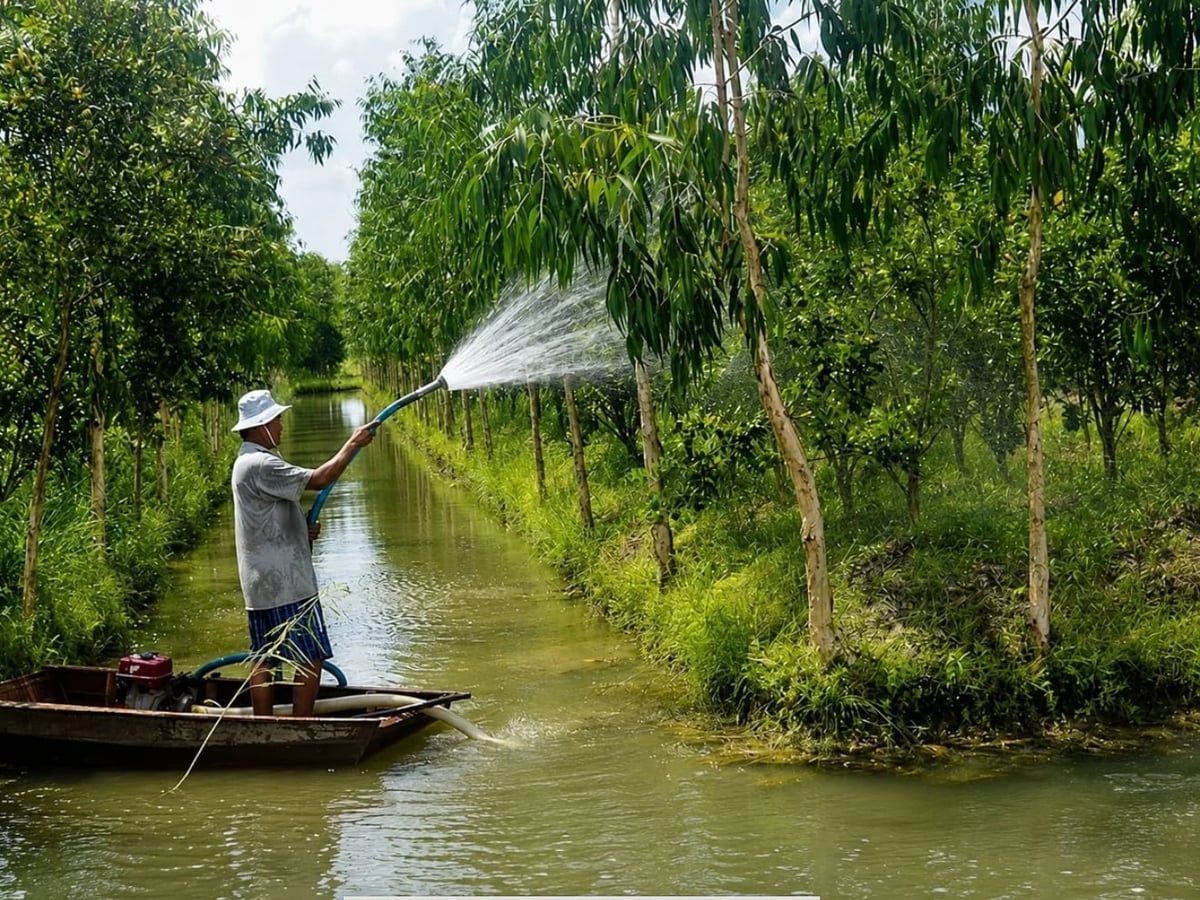
The fund will prioritize investments in about 12 enterprises operating in regenerative agriculture, forestry, and aquaculture across the lower Mekong region, with a focus on Viet Nam, Laos, and Cambodia. GCF funding will be disbursed through Deutsche Bank, which has been authorized by the GCF to manage and implement the fund.
The initiative is expected to attract additional private capital to expand climate-resilient agricultural models and promote low-emission land use in the lower Mekong region.
According to the GCF, private investment in low-emission agricultural models remains limited due to high upfront costs, long payback periods, gaps in technology and expertise, and insufficient policy support. Through a blended finance model, MERF aims to mobilize more private-sector funding to scale climate-adaptive agriculture and support sustainable land-use practices.
Over its 12-year lifespan, the fund aims to provide direct benefits to nearly 280,000 people, with more than 33,000 indirect beneficiaries. The supported projects are also expected to reduce about 8.5 million tonnes of CO₂-equivalent greenhouse gas emissions, while creating jobs, increasing incomes, and improving market access for local communities.
Founded in 2001, Mekong Capital is a fund management company focused on private enterprises in Viet Nam. Prior to MERF, the firm had managed five investment funds, completed 46 investments, and exited 35 investments.
Mekong Capital’s investment portfolio has included several major Vietnamese companies, such as Mobile World Group, Masan Consumer, PNJ, Traphaco, Golden Gate, YOLA, and Pizza 4P’s.
Minh Hanh