
Thailand is ready to share its experience and successful models in green urban development with Vietnam, as the two countries share many similar characteristics, including rapid urbanisation, traffic congestion, flooding, canal networks and growing demand for greener public spaces, Thai officials have said in recent interviews with the Vietnam News Agency.
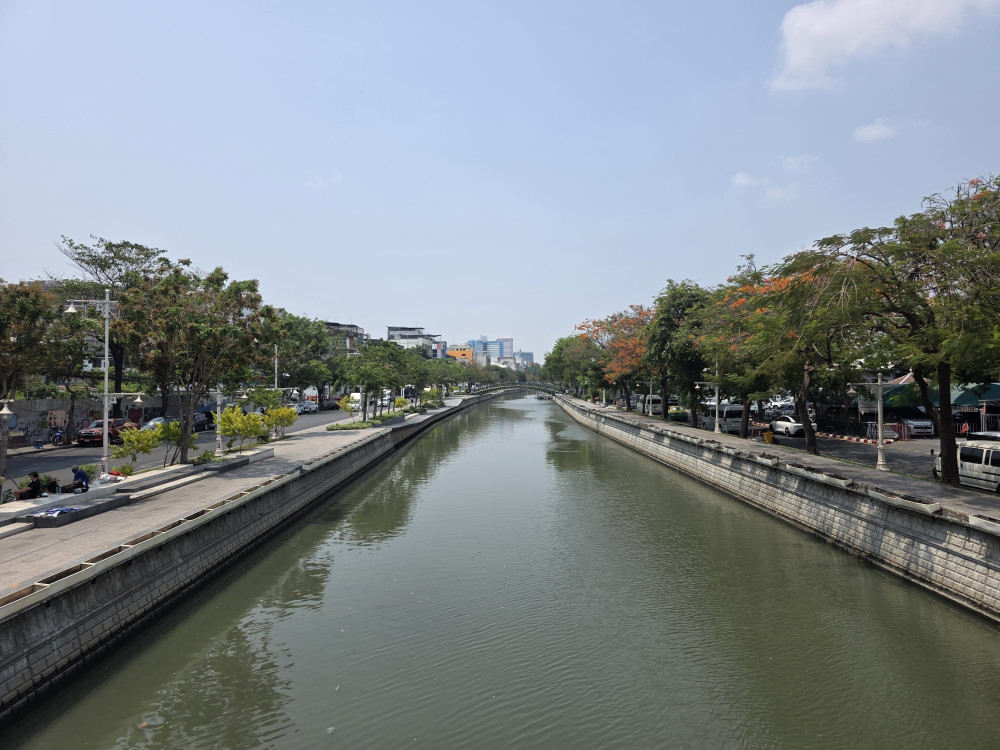
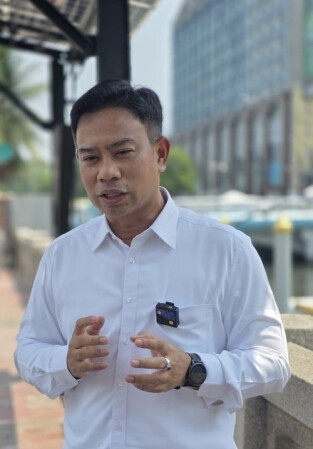
Drawing on the model of Phadung Krung Kasem canal – an important waterway linking the northern and southern sections of the Chao Phraya River – Atitep Saisanit, Director of Public Transportation for Roads and Waterways Division, said: “Given that the landscape of Hanoi features canals similar to those in Thailand, we believe our resource management strategies could be highly beneficial there.”
“Thailand is more than happy to provide support, exchange technical knowledge and share our operational methodologies with our Vietnamese counterparts,” he added.
Since 2019, local authorities have operated electric boat services along the canal as an alternative mode of transport, allowing passengers to travel from Hua Lamphong Railway Station to Devaraj Market Pier and creating a link between waterways and the national rail network. The initiative is intended to save energy, support the transition to renewable energy, reduce PM2.5 emissions and lower dependence on fossil fuels.
Atitep said the transition to electric boats offers a range of benefits. In addition to improving air quality and reducing pollution, the boats enhance the city’s image and provide commuters with a practical transport option that has received strong public support.
The service also helps residents save travel costs and avoid road congestion. At the same time, it improves connectivity between road, rail and water transport. From Devaraj Market Pier, passengers can continue to Thewet Pier to transfer to larger boats operating on the Chao Phraya River.
“As a pioneer in this investment, our primary challenge is increasing public awareness and encouraging higher ridership,” he said, adding that the project has already helped reduce noise pollution and carbon emissions, authorities are still working to maximise the use of the service.
He also added that technical challenges remain, particularly in managing fluctuating water levels across different seasons to ensure both flood prevention and safe navigation, as well as maintaining water quality in the canal.
“Our approach involves proactive public awareness campaigns to increase ridership and encouraging local communities to help keep the canal clean,” he said.
Beyond improving green transport, Thailand has also transformed neglected waterways into vibrant public spaces, with Khlong Ong Ang emerging as one of the country’s most notable examples of urban regeneration.
Originally built more than 200 years ago, the canal once served as a trading route for pottery and local commerce. Over time, the area developed into a dense commercial zone and became known as Saphan Lek, where structures built over the canal eventually concealed it from view.
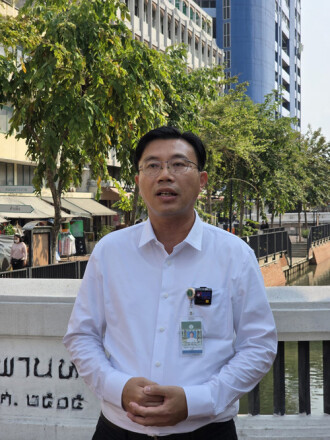
According to Piyachon Phusongtham, Assistant Director, Phra Nakhon District Office, as illegal markets gradually encroached on the area, the Bangkok Metropolitan Administration introduced a policy to remove the structures and restore the canal.
The project aims to restore the site so the public can better appreciate its cultural heritage, while improving water quality to support recreational activities such as kayaking.
“We must build mutual understanding with the public by explaining that this renovation creates new opportunities for them,” the official said.
“By improving the environment, we aim to show local residents how much economic value this transformation can generate for their community,” he added.
Piyachon said the redevelopment has provided a valuable public space for a wide range of activities. Once the physical improvements were completed, the area was able to host a walking street. Located between Bangkok’s Little India and Chinese communities, the canal has become a venue for exercise, cultural activities and tourism.
He added that future management will focus on major annual events, including the Loy Krathong Festival and the Diwali Festival celebrated by the Thai-Indian community.
The Creative Economy Agency also regularly organises tourism activities in the area, including during Bangkok Design Week.
Visitors can also explore nearby attractions including Chinese communities, herbal medicine streets, Indian restaurants and public art installations.
Authorities also work closely with the “Khlong Ong Ang Community”, a local civil society group that invites traditional vendors to participate in activities. Students from local art schools are also encouraged to set up booths and showcase their work.
To that end, Piyachon said the project could serve as a model for urban canal development in Vietnam, underscoring the importance of accessible public spaces and green areas in modern cities.
He outlined three key lessons Vietnam could draw from the project: prioritising infrastructure and water quality management, encouraging community participation to create a sense of ownership, and promoting local economic development once the physical foundation is in place./.
(VNA)