
Environment and oceans: a global security challenge of the new era
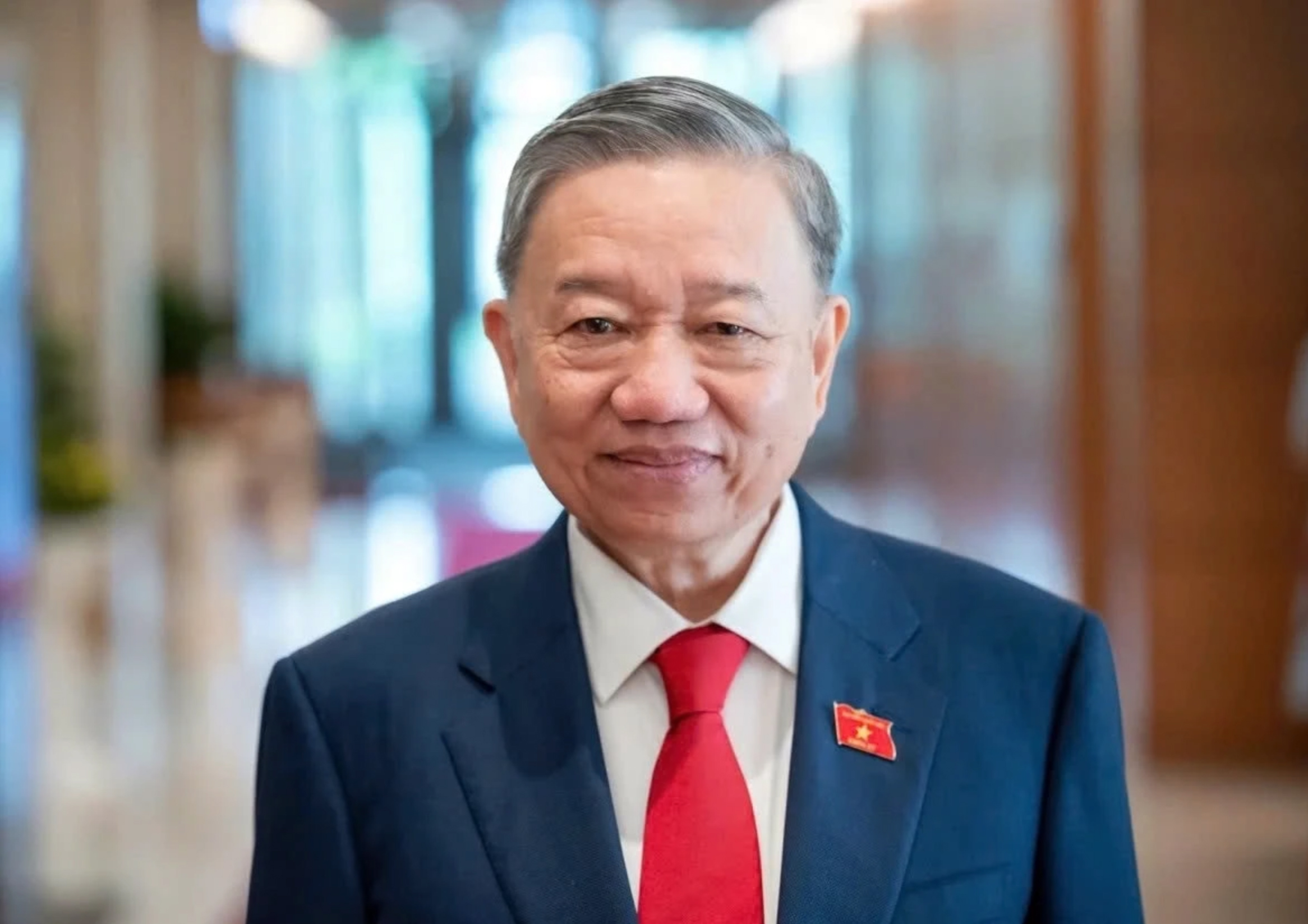
In his article marking World Environment Day (June 5) and World Oceans Day (June 8) this year, the leader said the world is entering a period of profound ecological transformation unprecedented in modern history. Climate change, rising sea levels, extreme weather, biodiversity loss and ocean pollution are affecting every country, economy and security system.
According to him, these developments are no longer purely environmental issues but have become global security challenges affecting human security, food security, energy, trade and international peace. Oceans, he stressed, play a particularly important role as interconnected spaces for economic activity, trade, livelihoods and global security.
Protecting oceans, therefore, is not only an environmental responsibility but also a requirement for peace, stability and compliance with international law, including the 1982 United Nations Convention on the Law of the Sea (UNCLOS). He emphasised the importance of building seas of peace, cooperation and sustainable development.
Climate change and a new development model for Vietnam
Referring to the domestic context, the Party General Secretary and State President noted that Vietnam, with its long coastline and diverse ecosystems, is among the countries most vulnerable to climate change. Rising sea levels, saltwater intrusion, landslides and increasingly severe storms and floods are directly affecting socio-economic development and people’s livelihoods.
He stressed that rapid growth cannot come at the expense of the environment, warning that economic development would not be sustainable if accompanied by ecological degradation and declining quality of life. Nature, he said, must be viewed as a vital national foundation, a strategic asset and a legacy for future generations.
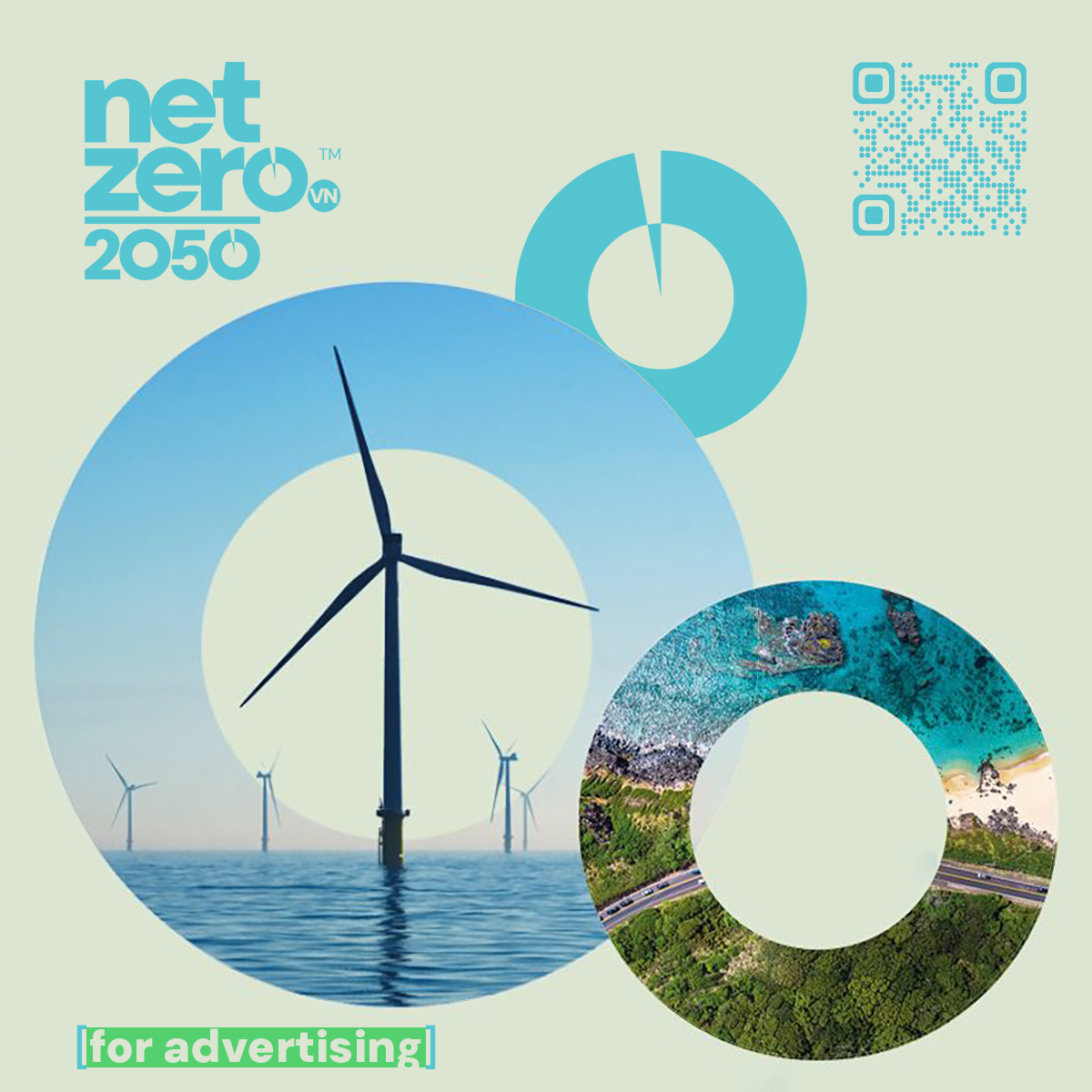
The leader reaffirmed Vietnam’s commitment to achieving net-zero emissions by 2050, promoting a just energy transition, developing a circular economy, reducing marine plastic waste and protecting marine ecosystems. These commitments, he stated, are not only international obligations but also internal requirements for Vietnam’s development in the new era.
He also highlighted President Ho Chi Minh’s philosophy of harmony between humanity and nature, including ideas such as “forests are gold, seas are silver” and the “Tree Planting Festival,” describing them as enduring foundations for Vietnam’s sustainable development strategy.
Six strategic directions for a green and sustainable economy
The top leader underscored that green development, environmental protection and ocean conservation must become core pillars of Vietnam’s development model.
First, Vietnam should improve institutions and development thinking by recognising nature as the foundation of sustainable growth and shifting from pollution treatment to prevention from the policy-design stage.
Second, the country should accelerate green transition in growth models, energy structures and production systems while promoting circular economy models, renewable energy, low-emission industries and green financial tools such as green credit and carbon markets.
Third, Vietnam should develop a sustainable blue economy linked to protecting sovereignty, fishermen’s livelihoods and peace at sea, while promoting green ports, offshore renewable energy, eco-tourism and sustainable marine resource exploitation.
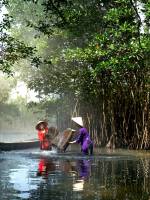
Fourth, the country should prioritise restoring natural ecosystems and strengthening climate resilience as strategic national infrastructure, especially in vulnerable regions such as the Mekong Delta, the central region and northern mountainous areas.
Fifth, Vietnam should modernise environmental governance using science, data and digital technologies, including artificial intelligence, satellite data and environmental monitoring systems to improve transparency and management efficiency.
Sixth, the country should promote fairness in the green transition and strengthen international cooperation. In addition, developed countries should fulfill commitments on climate finance, technology transfer and support for developing nations.
Action for a green, prosperous and sustainable Vietnam
Concluding the article, Party General Secretary and State President To Lam stressed that environmental protection is not solely the responsibility of the natural resources and environment sector but a shared responsibility of the entire political system, businesses and every citizen.
He recommended that ministries, sectors and localities should integrate green objectives into development strategies; businesses should view environmental standards as a competitive requirement; and citizens should adopt more environmentally friendly lifestyles, from saving energy and reducing plastic waste to planting trees and protecting water resources.
According to the leader, Vietnam is facing a historic mission to build a new development model where economic growth goes hand in hand with a clean environment, peaceful seas and islands, sustainable forests and a safe, prosperous life for the people.
He called on every citizen to begin with practical daily actions to help build a greener Vietnam for current and future generations.
(VOV)