

Three major impacts on water resources
Speaking about the impacts of climate change on water resources at the workshop “Enhancing Resilience to Climate Change,” held within the framework of Viet Nam Water Week 2026, Mr. Nguyen Xuan Hien, Deputy Director of the National Center for Hydro-Meteorological Forecasting, said that climate change increasingly impacts on the global water cycle.
According to climate change scenarios, by the end of this century, global temperatures could rise by 2–4°C; total rainfall and extreme precipitation in some areas could increase by 40–60%; and sea levels could rise by approximately 50–60 cm. These changes do not occur in isolation but simultaneously affect the processes of water formation, storage, distribution, and drainage.
For Viet Nam, the challenges are even greater as water is unevenly distributed among regions and seasons and depends significantly on water originating outside the country. Each river basin has different conditions in terms of rainfall, flows, reservoirs, and water-regulation capacity, resulting in varying degrees of vulnerability to climate impacts.
For example, the Red River basin has a relatively comprehensive reservoir system, facilitating proactive water regulation. By contrast, the Mekong Delta is heavily dependent on flows from the upper reaches of the Mekong River. Notably, rainfall during the dry season accounts for only about 28% of the annual total, increasing the risk of water shortages during months with low rainfall.
Against this backdrop, the transboundary nature of water resources further complicates the challenge. Approximately 60% of Viet Nam’s surface water originates outside the country. As climate change alters rainfall patterns and flows or increases extreme weather events upstream, these changes can quickly affect domestic water resources.
Based on the 2026 climate change scenarios, three major impacts on water resources have been identified, including increasing drought, extreme rainfall, and sea-level rise. Each risk manifests differently, but all require a common approach: early forecasting, advance preparedness, and proactive water allocation.
Proactive water allocation in response to drought risks
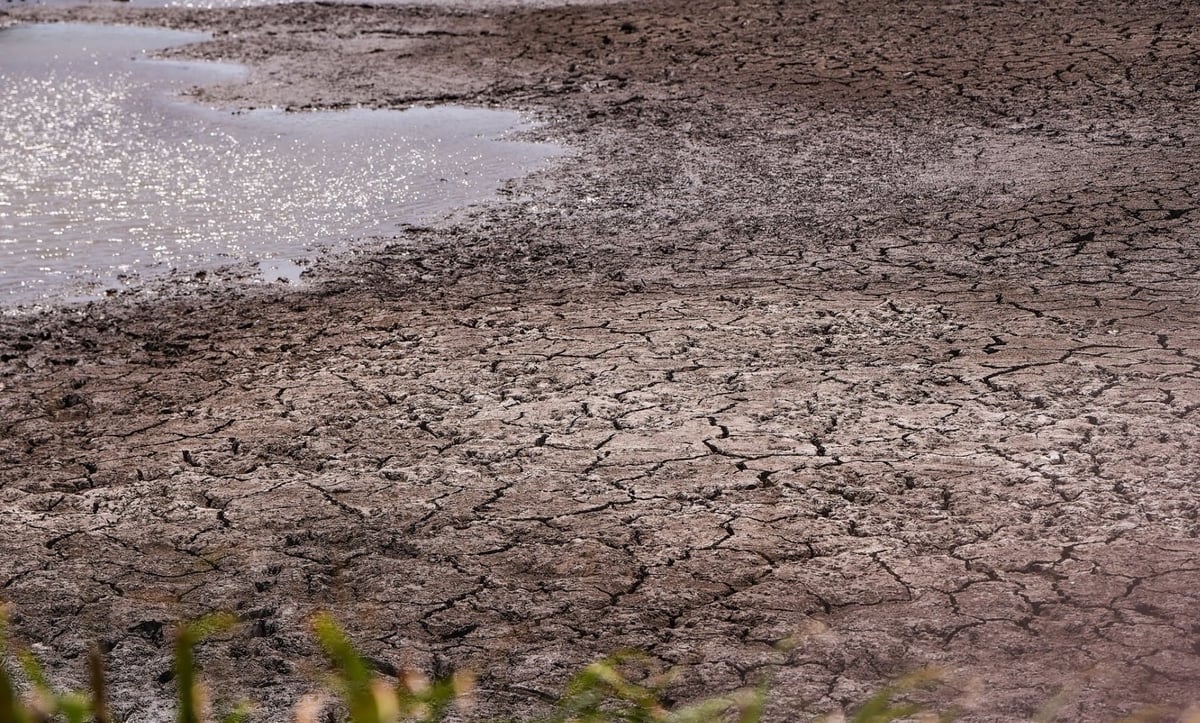
Of the three impacts, drought is a risk that can persist over extended periods and directly reduce the water supply for multiple sectors and localities. According to climate change scenarios, by the end of this century, the number of drought months could increase by 20–40% in many areas, particularly pronounced in Central Viet Nam. In the North Central region alone, drought intensity could increase by more than 50%.
As temperatures rise, increased evaporation combined with prolonged rainfall shortages can lead to declines in river flows, inflows to reservoirs, and locally available water. Meanwhile, water demand for domestic use, agriculture, industry, and economic activities continues to increase.
The gap between supply and demand is placing growing pressure on water allocation, particularly during the dry season. If solutions are implemented only after reservoir levels have fallen, river flows have declined, or water shortages have already occurred, the scope for effective response will be significantly reduced.
Against this backdrop, there is a need to shift from responding to water shortages to preparing in advance for the risk of water shortages. According to Mr. Nguyen Xuan Hien, forecasting and the development of water-allocation plans need to be carried out early, based on the developments of water resources in each river basin.
In this direction, the Ministry of Agriculture and Environment has proposed four key groups of solutions. First, water scenarios and allocation plans need to be developed for each river basin and each period. On that basis, the level of water scarcity during the dry season can be assessed to enable proactive storage, connection, and regulation among water sources.
Alongside surface water, groundwater should also be considered as a reserve source. Determining available reserves and safe extraction thresholds will help ensure additional water supplies when shortages occur, while limiting the risk of overexploitation.
At the same time, saving water, reducing losses and increasing water reuse must become part of the plan for ensuring water security. When water supplies become increasingly unpredictable, reducing unnecessary demand is itself a way to enhance resilience.
Reviewing infrastructure ahead of extreme rainfall and sea-level rise
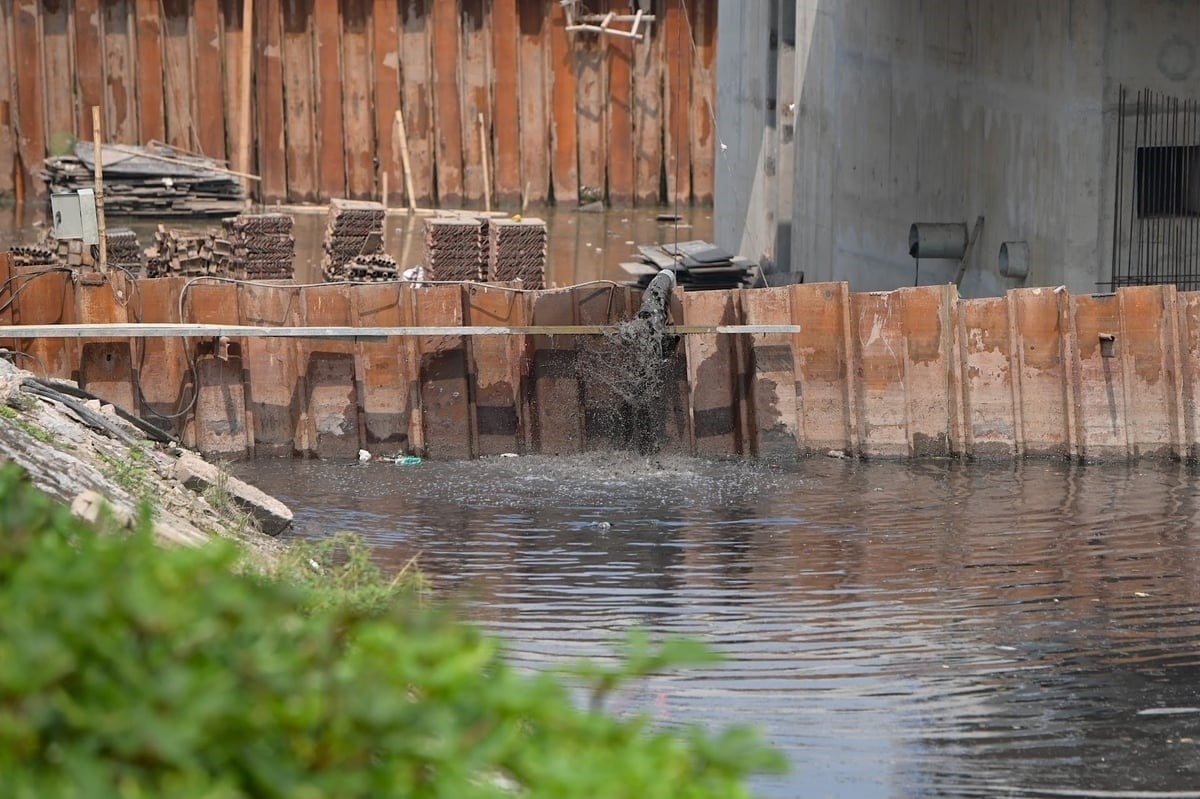
While drought puts pressure on water resources through scarcity, extreme rainfall poses the opposite challenge for the water system: excessive volumes of water arriving within a short period.
Accordingly, heavy rainfall can increase the risks of flooding, inundation, overloading of reservoirs and drainage systems. Beyond the risk posed by excessive water volumes, high flows can also carry sediment, waste, and pollutants into rivers and reservoirs, degrading water quality. Therefore, adaptation efforts cannot stop at improving forecasting capacity. Infrastructure also needs to be reviewed to ensure effective operations under new climatic conditions.
According to Mr. Hien, it is necessary to reassess the capacity and design standards of reservoirs, water-storage facilities, drainage systems, and related infrastructure. Design parameters need to be updated in line with new climatic developments rather than relying solely on historical meteorological and hydrological data series.
Alongside infrastructure, forecasting and early-warning capacity plays a crucial role. Information on heavy rainfall, floods, and river flows needs to be provided well in advance to serve reservoir operations, water regulation, drainage organization, and the protection of people, property, and infrastructure.
Meanwhile, sea-level rise creates another form of pressure, particularly in estuarine and coastal areas. Rising sea levels can reduce drainage capacity, increase tidal flooding, and push saltwater intrusion farther inland.
In response to this risk, salinity monitoring and tracking of water developments need to be strengthened to provide a basis for appropriate water regulation. When freshwater is readily available, it should be proactively stored for dry periods. At the same time, groundwater extraction should be controlled within safe thresholds to limit the risk of declining water levels and land subsidence.
For urban areas and coastal residential communities, adaptation is also directly linked to planning. Drainage capacity under conditions of rising tides needs to be reviewed, together with controls on development space in areas at high risk of flooding.
Water management needs to be integrated into a linkage chain from forecasting, storage, regulation, allocation, and extraction to drainage and water-quality protection. When these stages are properly linked, water developments can be identified earlier, allowing response measures to be prepared in advance.
As the climate continues to change, scenario planning is no longer a contingency measure but an essential component of water management. Early proactive action will help minimize risks, ensure water supplies for domestic use and production, and provide a stable foundation for long-term socio-economic development.
Nguyen Thuy – Phuong Linh – Translated by Thu Huyen