
The move follows a meeting on Wednesday between provincial authorities, relevant departments, and CT Group – the founder and operator of CCTPA.
At the meeting, CT Group broadened its focus beyond forest-based carbon credits, proposing pilot projects across fruit trees, coffee, rubber, coconuts, and rice, tapping into regenerative agriculture as a new source of carbon-credit generation.
Gia Lai’s support for CCTPA, coupled with its efforts to build a pilot scheme for forest carbon credit trading, underscores the province’s push toward a green-growth economic model.
Authorities say the projects aim not only to create commercial value but also to protect biodiversity, improve incomes for forest-dependent communities, and strengthen local participation in safeguarding the Central Highlands’ forests.
Prior to CCTPA’s entry, ECOTREE JSC had also submitted proposals for reforestation and assisted natural regeneration projects to generate carbon credits. The company has been asked to refine its plan for approval.
As Vietnam pursues its net zero commitments, carbon markets are becoming a key financial tool for conservation and sustainable development. The country could supply 40-57 million carbon credits annually, and forest-based carbon alone could generate roughly $200 million each year at an average price of $5 per ton of CO2, according to the Forestry Department.
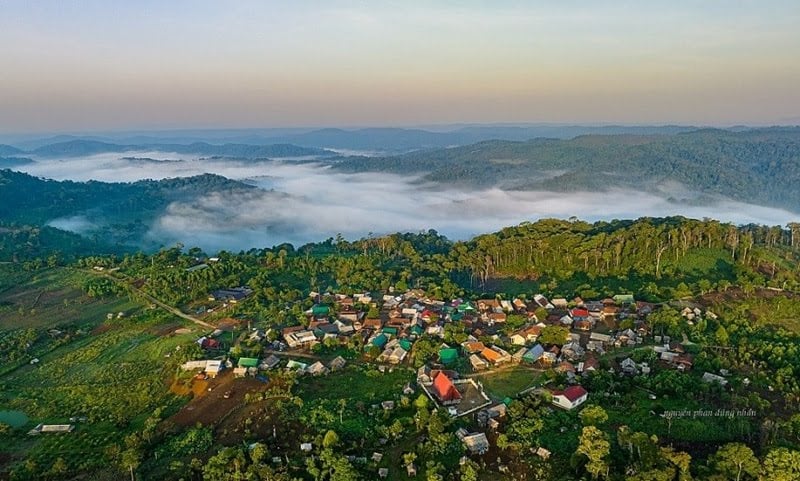
Gia Lai, which has the largest forest area in the Central Highlands and the fourth-largest nationwide, is positioning itself as a leader in carbon-credit development. The province has more than 690,000 hectares of natural forest with an estimated carbon stock of around 50 million tons, averaging over 150 tons per hectare.
Binh Dinh and Gia Lai province were merged in July to form the new Gia Lai which borders Dak Lak province, Quang Ngai province, Cambodia, and the East Sea.
Hai Yen