
From June 8 to 18, the 64th sessions of the two subsidiary bodies under the UNFCCC Subsidiary Body for Scientific and Technological Advice (SBSTA 64) and the Subsidiary Body for Implementation (SBI 64), collectively known as SB64, are being held in Bonn, Germany.
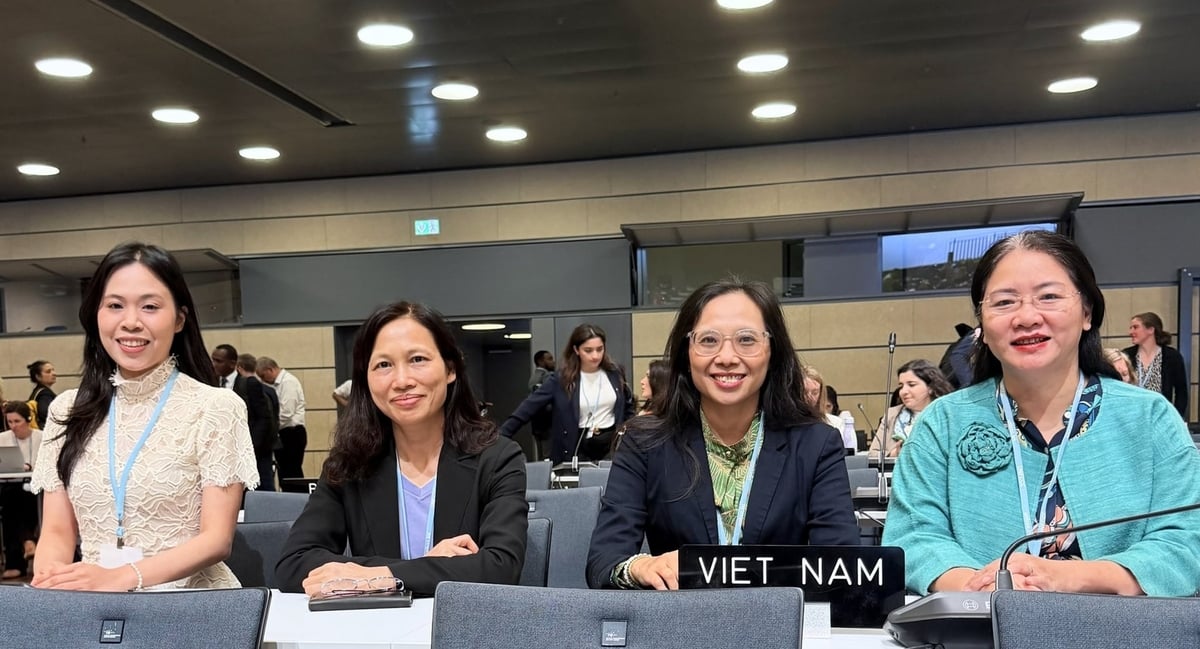
Viet Nam’s delegation includes representatives from the Ministries of Agriculture and Environment, Foreign Affairs, Finance, and Construction.
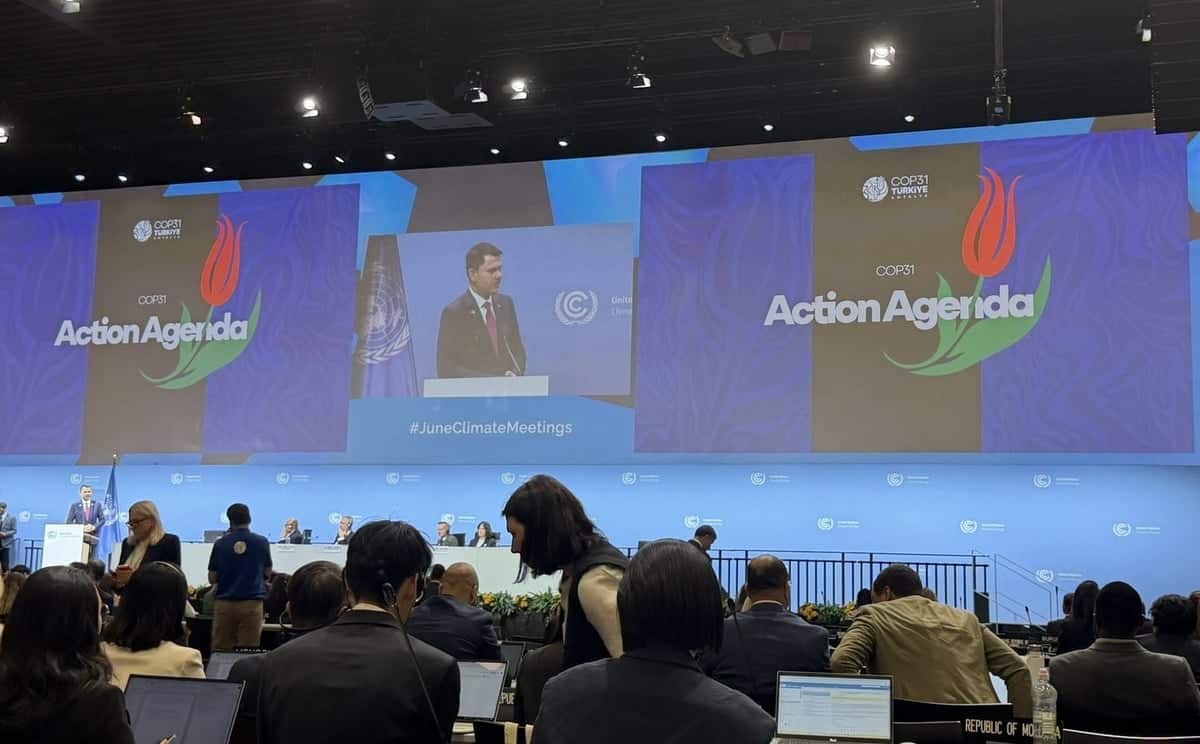
At the opening plenary session of SB64, Simon Stiell, Executive Secretary of the UNFCCC, outlined a long-term strategic vision extending from the present through future sessions of the Conference of the Parties (COP), including COP31 in Antalya, COP32 in Addis Ababa, COP33, and, in particular, the second Global Stocktake (GST2).
The conference will focus on three main areas of discussion. First, delegates will work toward agreeing on negotiation procedures and methods to improve the effectiveness of the negotiating process. Second, discussions will advance several key agenda items, including the Global Goal on Adaptation (GGA), the Belém indicators for assessing progress toward the GGA, measures to address delays in the operationalization of the Adaptation Fund, practical steps to implement the outcomes of the first Global Stocktake (GST1), and the development of a framework for a just transition. Third, participants will seek to more closely align climate negotiations with economic priorities and concrete implementation actions, ensuring that policy discussions translate into practical outcomes.
Building on this direction, the co-hosts of COP31, Türkiye and Australia, placed particular emphasis on energy-related issues, including the energy transition, energy security, and implementation challenges, alongside the completion of National Adaptation Plans (NAPs) and the mobilization of finance for adaptation.
For Viet Nam, the negotiations are closely linked to climate finance, implementation of its Nationally Determined Contributions (NDCs), and efforts to strengthen national capacity. The country can continue to leverage international support for the preparation of its Biennial Transparency Reports (BTRs), the development of measurement, reporting, and verification (MRV) systems, climate data infrastructure, and enhanced implementation of the Enhanced Transparency Framework (ETF).
Looking ahead, Viet Nam is expected to continue advocating for simpler procedures to access international resources while ensuring that financial support for reporting and transparency activities remains stable and continuous.
Stepping up climate adaptation efforts
At the opening session, the G77 and China identified the accelerated advancement of the GGA, adaptation pathways, and the implementation of a shared technical framework for climate measurement as their top priorities.
The group also called on developed countries to triple climate finance for adaptation by 2035, accompanied by practical financing mechanisms and effective disbursement arrangements.
This position quickly gained broad support from the Alliance of Small Island States, the Least Developed Countries group, the Latin American and Caribbean bloc, the African Group, the BASIC countries, and the Arab Group.
By contrast, the European Union continued to emphasize the importance of developing National Adaptation Plans (NAPs). Meanwhile, the High Ambition Coalition cautioned that metrics used to assess global adaptation capacity should remain voluntary and flexible enough to reflect the diverse socioeconomic conditions of individual countries.
The issue of loss and damage from climate-related disasters received relatively limited attention during the opening session. This came despite the fact that, in late April, the governing board of the global Fund for Responding to Loss and Damage met in Zambia and successfully adopted its operational rules and risk management framework. The new mechanism is designed to enable financial support to be disbursed directly to government budgets as quickly as possible through a pilot direct-access model.
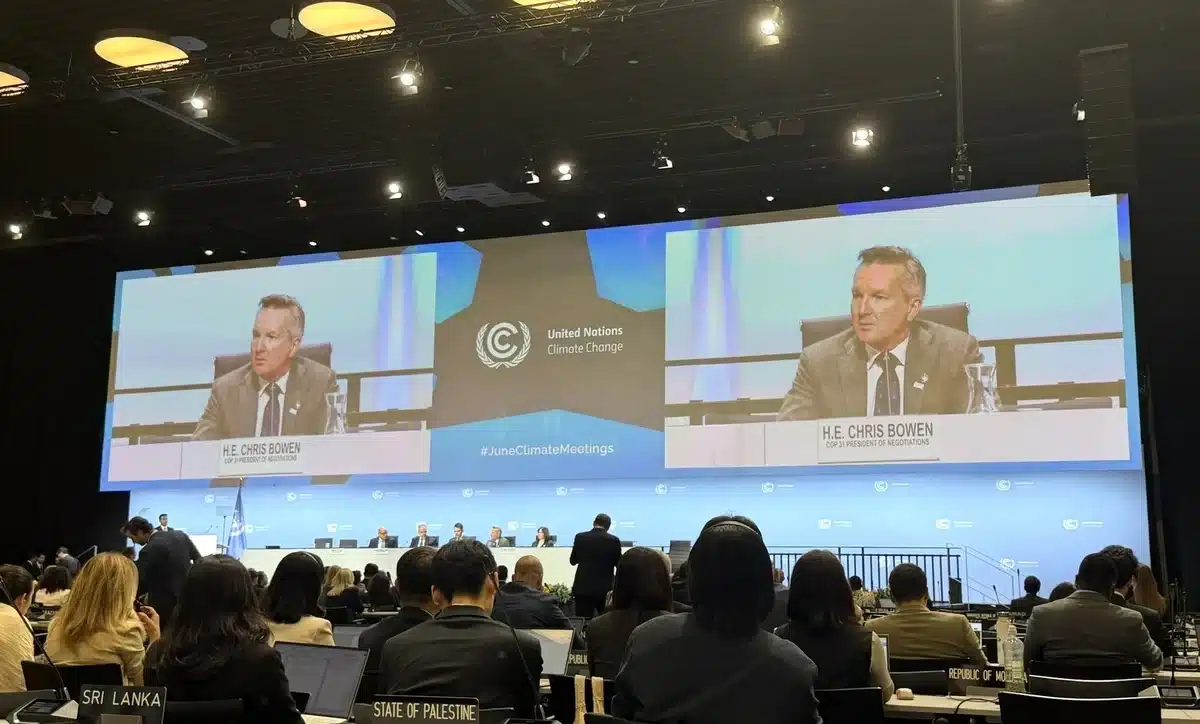
At the conference, the poorest and least developed countries expressed deep concern that the issue of loss and damage had been sidelined and was not included as a standalone agenda item in the official program.
At the same time, the coalition of major emerging economies and the alliance of small island states repeatedly warned of the escalating devastation caused by extreme weather events, urging the international community to accelerate the disbursement of emergency financial assistance.
On the scientific front, the parties emphasized the importance of delivering the Seventh Assessment Report in a timely manner to inform the second Global Stocktake (GST2). The overarching objective remains to keep global temperature increases within the 1.5°C threshold.
Financial disagreements remain unresolved
Following the adoption of the SB64 agenda, delegates moved into negotiations on financial and technical support for developing countries in implementing Article 13 of the Paris Agreement.
The discussions focused on assessing the financial, technical, and capacity-building assistance provided to developing countries to implement the ETF, as well as reviewing access to resources from the Global Environment Facility (GEF) and other international support mechanisms for preparing BTRs, conducting greenhouse gas inventories, and operating systems for tracking NDC implementation.
The divide between negotiating blocs remained evident. The G77 and China argued that existing resources fall far short of actual needs, particularly for countries with limited institutional capacity, and called for new, additional, and predictable financial support.
Developed countries, meanwhile, emphasized improving the effectiveness of existing resources, expanding technical assistance, and promoting the sharing of practical experience and expertise.
Chu Huong – Translated by Huong Giang